
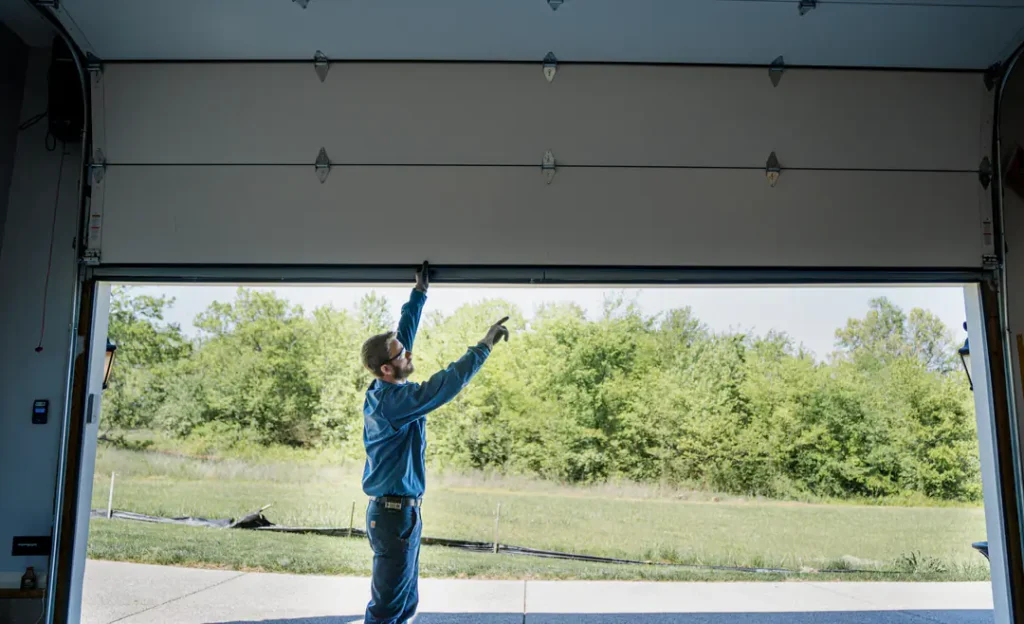
Craftsman Opener Troubleshooting
Craftsman Garage Door Operator Repair in Washington, DC
Call us for Craftsman garage door operator repair when the motor runs without moving the door, the door reverses, or the controls stop responding. Stop repeated attempts if the door moves unevenly; we inspect the opener and door to identify the cause.
- Open 24/7
- Same-day service available
- 5-year warranty on repairs
Get a fast quote
What Your Craftsman Garage Door Operator Controls
Your Craftsman opener uses a motor and drive mechanism to move the door, while its controls and safety sensors govern when it operates. The door also depends on its own springs, rollers, tracks, and cables. A door that will not open needs a diagnosis that separates an opener fault from a problem with the door itself.
Our Craftsman garage door opener repair service starts with a free on-site estimate in Washington, DC. We check the symptoms at your home and identify whether the problem involves the controls, sensors, drive mechanism, or door movement. Our garage door opener repair service addresses the source of the failure before repeated operating attempts cause further trouble.
- The Motor Runs, but the Door Stays Put — Motor noise without door movement calls for a check of the opener’s drive and connection to the door. Stop cycling the motor; the sound alone does not establish that the opener needs replacement.
- The Door Reverses While Closing — An obstruction, a sensor problem, or resistance in the door’s travel can interrupt closing. Keep the opening clear and leave the sensors in place; bypassing them removes a safety function.
- The Wall Control Works, but the Remote Does Not — Different results from the wall control and remote help narrow the diagnosis to the remote, its battery, programming, or signal reception. Report which control works so we can start with that difference.
- The Opener Strains or the Door Moves Unevenly — Grinding, straining, or crooked movement requires checking the door as well as the opener. Stop using the system and keep people away from the opening until the cause is checked.
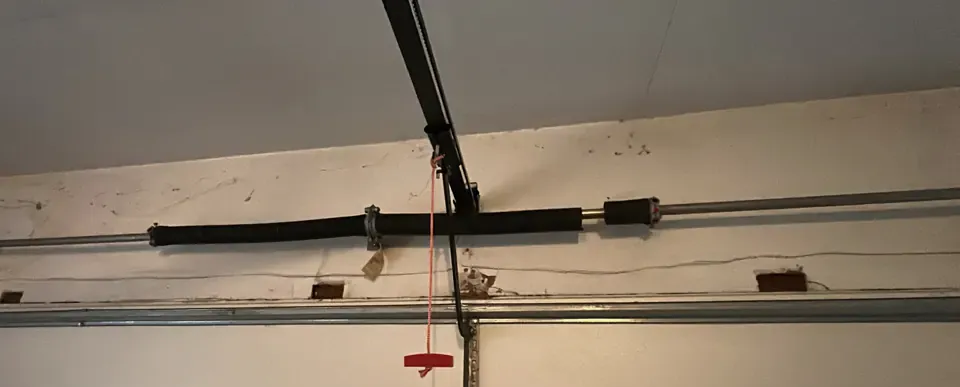
How We Trace a Craftsman Opener Fault Before Repair
- Compare the Controls — We compare the reported behavior of the wall control, remote, and keypad where fitted. A failure affecting one control points to a different troubleshooting path than a system that ignores every control.
- Inspect the Closing Safety Sensors — We check the sensor path, alignment, and visible connections when the door refuses to close or reverses. Sensor alignment, repair, or replacement addresses a sensor fault without bypassing the protection.
- Check the Drive and Door Connection — We inspect how the opener transfers movement to the door when the motor runs but the door stays still. That check separates a drive or connection problem from a control that never activates the motor.
- Look for Resistance in the Door — We inspect the door’s tracks, rollers, and other moving components for problems that interfere with travel. Craftsman garage opener repair needs this distinction because an opener cannot correct a damaged or obstructed door mechanism.
- Check Operation After the Repair — We check control response, door travel, and safety sensor operation after completing the repair. A successful response to the remote alone does not establish that the door also closes correctly or responds to an interrupted sensor beam.
Need help now? (771) 240-1725
Three Safe Checks When Your Craftsman Opener Stops Responding
- Look at the Door Before Touching a Control — From a clear position, look for crooked sections, a door outside its track, or a visible obstruction. If the door hangs unevenly or appears damaged, stop here and request service; do not pull the emergency release or stand beneath it.
- Check Visible Power and Control Clues — Without climbing or removing a cover, note whether the opener has lights and whether the wall control responds. If you already know the remote works differently, report that detail; do not repeat tests on a door that strains or moves unevenly.
- Clear the Sensor Path Without Adjusting Hardware — With the door stationary, remove loose objects blocking the opening and gently wipe accessible sensor lenses with a soft cloth. Leave mounts and wiring alone. For a garage door opener that won’t open the door, describe the motor sound and door position rather than forcing movement.
Frequently asked questions
How long does Craftsman opener repair take in Washington, DC?
Repair time depends on the fault and whether the work involves a control, sensor, drive component, or the door itself. We inspect the system before identifying the repair work and its scope. Technicians typically arrive within 30 minutes; that describes arrival, not the time needed to finish the repair.
Is it safe to keep using my Craftsman opener when the door reverses or makes unusual noises?
Stop using it if the door moves crookedly, strains, grinds, or reverses repeatedly. Keep people and vehicles clear of the opening, and leave safety sensors connected. If the door is stuck partly open, do not walk beneath it or release it from the opener.
Do you work on Craftsman garage door openers at homes in Washington, DC?
Yes. We work on Craftsman garage door openers and travel to customers throughout Washington, DC. Give us the service address and describe any access restrictions so we know where to reach the garage.
What should I tell you when I call about my Craftsman opener?
Tell us whether the door is open, closed, or partly open, and whether the motor makes a sound. Mention which controls respond, any visible flashing lights, and whether the problem began suddenly or developed over several uses. When you request service, include the Craftsman model information only if you can read it safely from the floor.
Get Your Craftsman Opener Fault Checked
Call DC Garage Door Repairs with the door's current position and the controls that respond so we can start with the symptoms affecting your garage.