
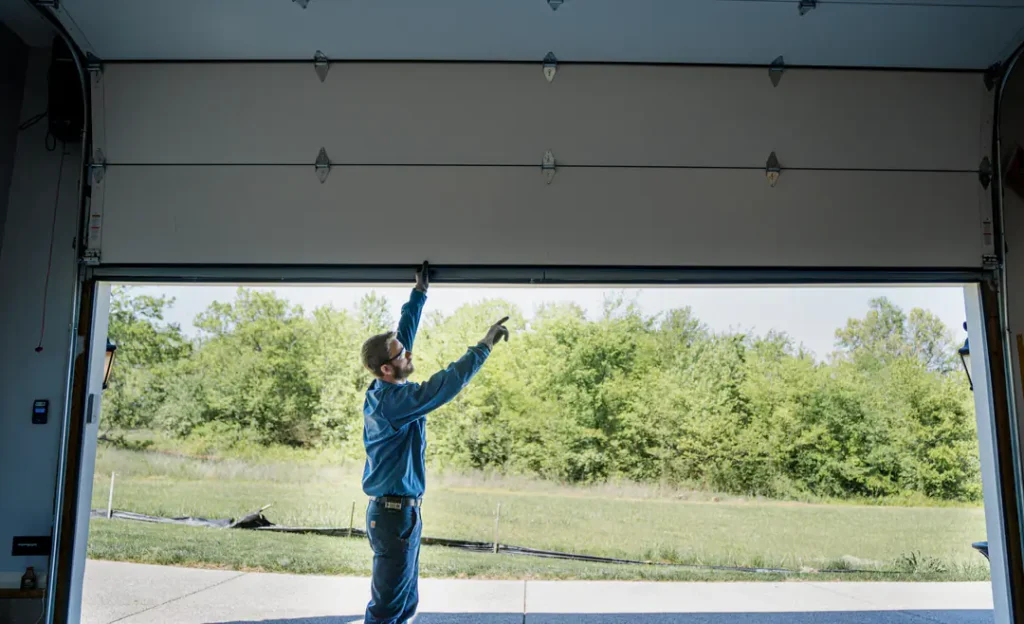
LiftMaster Opener Problems
LiftMaster Garage Door Opener Repair in Washington, DC
Call for LiftMaster garage door opener repair when your door stops, reverses, or will not respond. We check the opener, controls, and door movement to identify the fault before repairing or replacing the affected component.
- Free on-site estimates
- 5-year warranty on repairs and installations
- Same-day service available
- Licensed and insured
Get a fast quote
LiftMaster Garage Door Opener Repair Starts With Separating Door and Opener Faults
A door that will not open does not automatically need a new opener. The motor operates a door that also depends on springs, cables, rollers, and tracks. We work on LiftMaster openers and check that relationship during garage door opener repair, so a mechanical door problem does not get mistaken for a failed motor.
Repairing LiftMaster garage door openers also involves checking how the unit responds to its controls and safety devices. Tell us whether the wall control works, whether the motor runs, and where the door stops. Keep the opening clear and stop operating a door that hangs crooked, binds, or moves unexpectedly.
When You Need LiftMaster Garage Opener Repair
The Door Starts Down, Then Reverses
Reversing during closing directs attention to the safety sensor path, door resistance, and travel settings. Note whether the door reverses immediately or reaches the same point each time; that difference helps identify what needs inspection.
The Motor Runs, but the Door Stays Still
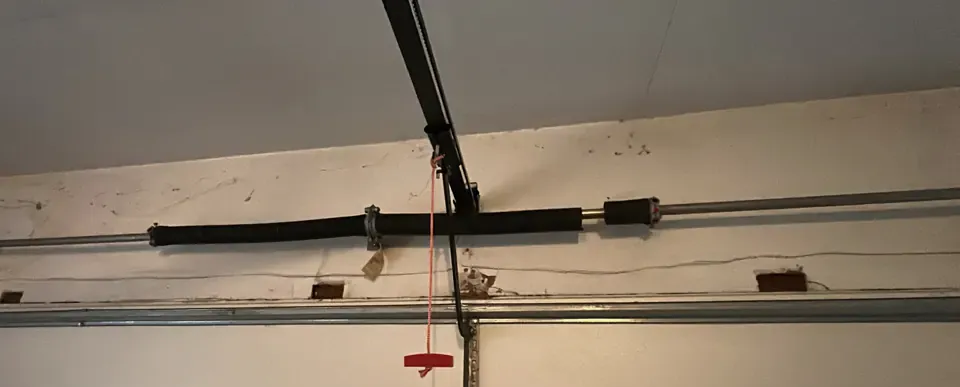
Motor noise without door movement calls for checking the connection between the opener and door, along with the drive mechanism. Stop repeated attempts, especially if the opener strains or makes grinding sounds.
The Wall Control Works, but the Remote Does Not
This pattern narrows the inspection toward the remote, its battery, programming, and the opener’s response to wireless commands. It does not by itself establish that the opener motor needs replacement.
The Door Stops Short of Fully Opening or Closing
A door that repeatedly stops short needs its movement and travel controls checked together. Report whether the stopping point stays consistent or changes between attempts, and whether scraping or jerking accompanies the stop.
Need help now? (771) 240-1725
What Causes a LiftMaster Opener to Stop, Reverse, or Lose Control
An Interrupted Safety Sensor Beam
An obstruction, dirty sensor lens, or misalignment interrupts the safety sensor beam used during closing. You can look for objects blocking the opening without touching the door mechanism; leave sensor wiring and adjustments for inspection.
Resistance in the Door Hardware
Binding rollers, track damage, and spring or cable faults interfere with door movement and place strain on the opener. Increasing force does not correct the underlying hardware problem, so the door needs inspection before opener adjustments.
Control or Power Faults
Remote batteries, lost programming, damaged wiring, and interrupted power affect how the opener receives commands. Which controls still work helps separate a single control problem from a fault affecting the entire unit.
Wear in the Opener Drive
The opener’s drive transfers motor movement to the door connection. Worn or damaged drive components require inspection when the motor runs without normal travel, especially when the sound changes to grinding or repeated clicking.
Garage Door Repair for LiftMaster Openers Follows the Fault
- Check the Door Before Adjusting the Opener — We inspect the door hardware and movement for binding, damage, and problems with the lifting system. This establishes whether the opener is the source of the trouble or is reacting to resistance.
- Compare Control Responses — We check the wall control and remote response to isolate the failure. A problem affecting one control calls for different work from a unit that receives no commands at all.
- Inspect Sensors and Connections — We examine sensor alignment, the beam path, and related connections when closing is interrupted. Safety devices stay part of the diagnosis; bypassing them does not resolve the fault.
- Repair the Identified Component — The inspection determines whether the work involves programming, wiring, sensors, controls, or the opener mechanism. We base the repair on the failed component rather than treating every symptom as a reason to replace the unit.
- Test Movement After the Repair — We check opening, closing, and safety reversal after the work. When you request service, describe any grinding, reversal, or uneven movement so the technician starts with the symptoms you observed.
Need help now? (771) 240-1725
Frequently asked questions
What does LiftMaster door opener repair cost to start?
Garage door opener repair starts at $45. That is a starting price, not a fixed total for every fault. The inspection identifies whether the problem involves a control, sensor, wiring, or mechanical component so the estimate reflects the work required.
Should I repair or replace my LiftMaster garage door opener?
A remote or sensor fault does not automatically require replacing the opener. We check the failed component, the drive mechanism, and the unit’s safety functions before recommending repair or replacement. Garage door opener installation starts at $350, giving you a starting figure to compare with the repair estimate.
Do you provide LiftMaster garage door repair in Washington, DC?
We work on LiftMaster garage door openers in Washington, DC, and come to your property for service. Identify whether the equipment moves a garage door or a gate when requesting help. LiftMaster gate opener repair involves different equipment from the garage door opener service described here.
How soon can you arrive, and how long does a LiftMaster opener repair take?
Technicians typically arrive within 30 minutes. The time needed to complete the repair depends on the fault: restoring remote programming involves different work from repairing damaged drive components. We inspect the system before giving you a completion estimate.
Describe What Your LiftMaster Opener Does
Call with the control that fails, the point where the door stops, and any unusual noise. Keep the door clear and stop repeated attempts if it strains or moves unevenly.